When a Relationship Starts to Feel Heavy
Almost every close relationship goes through difficult stretches. Work pressure, money worries, the arrival of children, illness, in-laws, grief or simple routine can all wear away the closeness that once felt effortless. In Delhi, where families are often large and interwoven and where privacy is limited, those strains can build for years before anyone speaks about them.
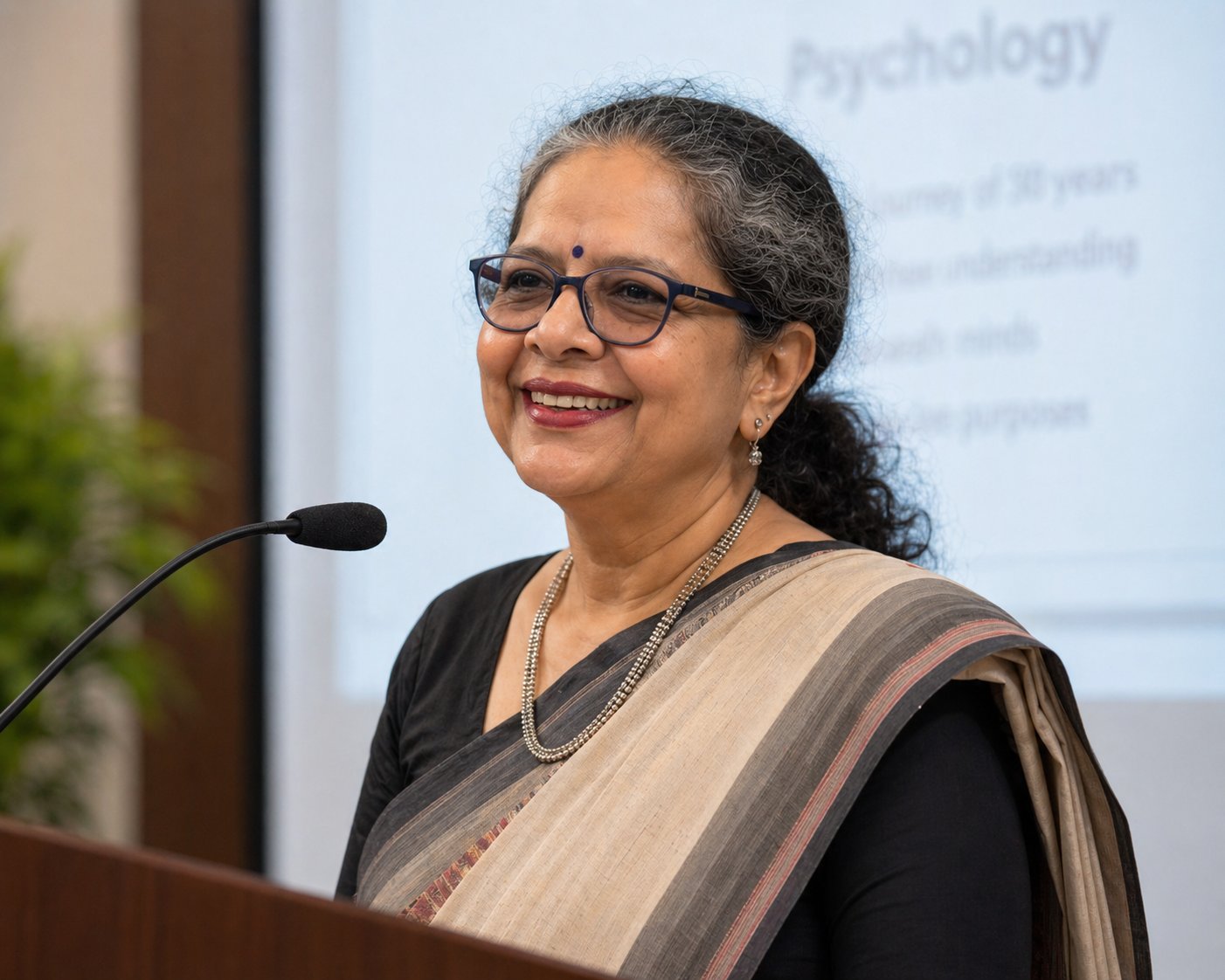
People often arrive in counselling saying the same few things. We keep having the same argument. We have stopped really talking. I feel alone even when we are together. One of us wants something the other cannot give. They do not always know whether the relationship can be repaired, only that they cannot continue as they are. Anuradha Banerji Sarkar has worked with couples, parents and adult children in South Delhi since 1989, and this guide explains how relationship counselling works and what it can and cannot do.
What Relationship Counselling Can Help With
The concerns that bring people to counselling are wide-ranging. Communication breakdown is among the most common: conversations that turn into criticism or defensiveness, or silence that has replaced discussion. Conflict that repeats without resolution, often about money, household responsibilities, parenting or time. Family pressure, including the demands of in-laws, living arrangements in a joint family, and differing expectations about roles.
Other concerns include loss of trust after secrecy or betrayal, emotional distance and a sense of living parallel lives, and major life transitions such as a new baby, relocation, retirement or an empty nest. Counselling can also help people who are not in a couple at all but are struggling with a parent, a sibling or an adult child. And sometimes one partner comes alone, because the other is unwilling to attend, which is a legitimate and often useful place to begin.
How the Work Is Approached
Relationship counselling is not about deciding who is right. It is about helping each person understand their own patterns, hear the other more accurately, and find new ways of responding. Anuradha creates a calm, neutral space in which both people can speak and be heard without the conversation escalating, which is often the first time that has happened in months.
Practical tools are part of the work. Clients learn to express needs without blame, to notice the point at which a discussion begins to heat up and pause it, and to separate the issue under discussion from older hurts attached to it. Where individual difficulties, such as anxiety, unresolved grief or past experiences, are influencing the relationship, they can be addressed directly through CBT or hypnotherapy, either alongside the joint sessions or separately.
Patterns that seem to repeat across relationships, or a reaction that feels far larger than the situation warrants, sometimes have roots in earlier experience. In such cases, techniques such as regression work may help a person understand why they respond as they do. This is offered only when it is relevant and only with the person's consent.
Coming Alone, as a Couple, or With Family
There is no single correct format. Some couples attend together from the beginning. Others start with individual sessions to clarify what each person wants before meeting jointly. Occasionally family members are included, for example when a parent and adult child are in conflict. Anuradha will suggest what seems most useful after hearing your situation in the first session, and the format can change as the work develops.
What remains constant is confidentiality. What is said in individual sessions is not shared with a partner or family member without consent, and the boundaries are explained clearly at the outset.
What Counselling Cannot Do
It is important to be honest about limits. Counselling cannot force a partner to change, guarantee that a relationship will continue, or substitute for safety measures where there is violence or abuse. If you are in an unsafe situation, your safety comes first, and a counsellor will help you think through your options rather than urge reconciliation. Where a relationship does end, counselling can help it end with clarity and respect, particularly when children are involved.
What counselling can do is give each person a better understanding of what is happening, practical tools to respond differently, and a real chance of repairing what is repairable.
Sessions, Fees and Booking
Sessions last 60 minutes and are available in person in South Delhi and online, in English, Hindi and Bengali. The clinic is open Monday to Saturday, 10 AM to 7 PM, with Sunday by appointment. The fee is Rs.2,000 per 60-minute session for clients in India, and US$40 per hour for international clients. Online sessions are convenient for partners who work in different locations or for couples who live abroad.
To book, use the WhatsApp or email buttons on this page. Anuradha or her team respond within 24 hours. You do not need your partner's agreement to make the first enquiry, and you do not need to know whether you want to stay together or part. You only need to be willing to start talking.