Insomnia is epidemic in Delhi. The city that never fully quietens — where construction runs through the night, where traffic noise seeps through even the heaviest curtains, where the air carries a chemical density that disrupts sleep physiology, and where the psychological load of urban Indian professional life is carried into the bedroom — produces some of the worst sleep in the country.

Surveys consistently show that a significant proportion of urban Indians report chronic sleep problems. In Delhi specifically, the combination of environmental factors (noise, light, air quality), physiological factors (caffeine, irregular schedules, sedentary work), psychological factors (anxiety, racing thoughts, hyperarousal), and cultural factors (late eating, screen use, family dynamics around bedtime) creates a perfect storm for chronic insomnia.

And yet sleep is not a luxury. It is the foundation of every other dimension of health — cognitive, emotional, physical, and relational. Without adequate sleep, everything else suffers.

Delhi's Sleep Crisis — Understanding the Scale

Clinical insomnia is defined as difficulty falling asleep, staying asleep, or returning to sleep after waking — occurring at least three nights per week, lasting at least three months, and causing significant distress or impairment in daily functioning. By this definition, a substantial proportion of Delhi's adult population qualifies as chronically insomniac.

The most severely affected groups include: working professionals in high-stress environments (particularly those in Connaught Place, Saket, Gurgaon Cyber City and Noida's IT corridor); parents of young children navigating the double burden of work and childcare; students in the exam-intensive period of their education; and older adults, for whom age-related changes in sleep architecture combine with health concerns and life stresses to produce persistent sleep difficulty.

Why Delhi Can't Sleep — The Psychological Roots

Environmental factors matter. But in Anuradha's clinical experience over 35 years of treating insomnia in South Delhi, the primary drivers of chronic sleep difficulty are psychological — specifically, the interaction between anxiety and what sleep researchers call "hyperarousal."

The hyperarousal model of insomnia proposes that chronic insomnia develops and is maintained by a state of physiological and cognitive over-activation that makes the transition into sleep physiologically difficult. The brain is, in effect, too "on" to go "off." This hyperarousal is produced and maintained by anxiety — about sleep itself, about the consequences of not sleeping, about the events of the day or tomorrow. The cruel irony of insomnia is that the anxiety about not sleeping is often more sleep-disrupting than whatever originally caused the problem.

"The bedroom becomes a battlefield. The person lies down exhausted and the mind starts racing. The more they try to sleep, the more awake they become. Breaking this cycle is the entire therapeutic task."
— Anuradha Banerji Sarkar

How Hypnotherapy Resolves Sleep Problems

Hypnotherapy is one of the most effective psychological treatments for insomnia — and one of the least known in Delhi's healthcare landscape. This is partly because hypnotherapy has historically been associated with entertainment rather than medicine. The clinical reality is very different.

Hypnotherapy works for insomnia by addressing the hyperarousal cycle directly. The hypnotic state — a state of deep, focused relaxation — is in itself deeply restorative: for many clients, their first hypnotherapy session is the most rested they have felt in months. More importantly, the session allows the therapist to work with the subconscious beliefs and patterns maintaining the hyperarousal: the anxiety about sleep itself, the catastrophic predictions about the consequences of sleeplessness, the learned association between the bedroom and wakefulness.

Direct positive suggestion in the hypnotic state can help re-establish the automatic transition into sleep that the insomniac has lost. Ego-strengthening — building the client's confidence in their own capacity to sleep — addresses the helplessness that chronic insomnia typically produces. And deeper work — identifying any underlying anxiety, stress, or unprocessed emotional material that is driving the arousal — addresses the root causes rather than the surface symptoms.

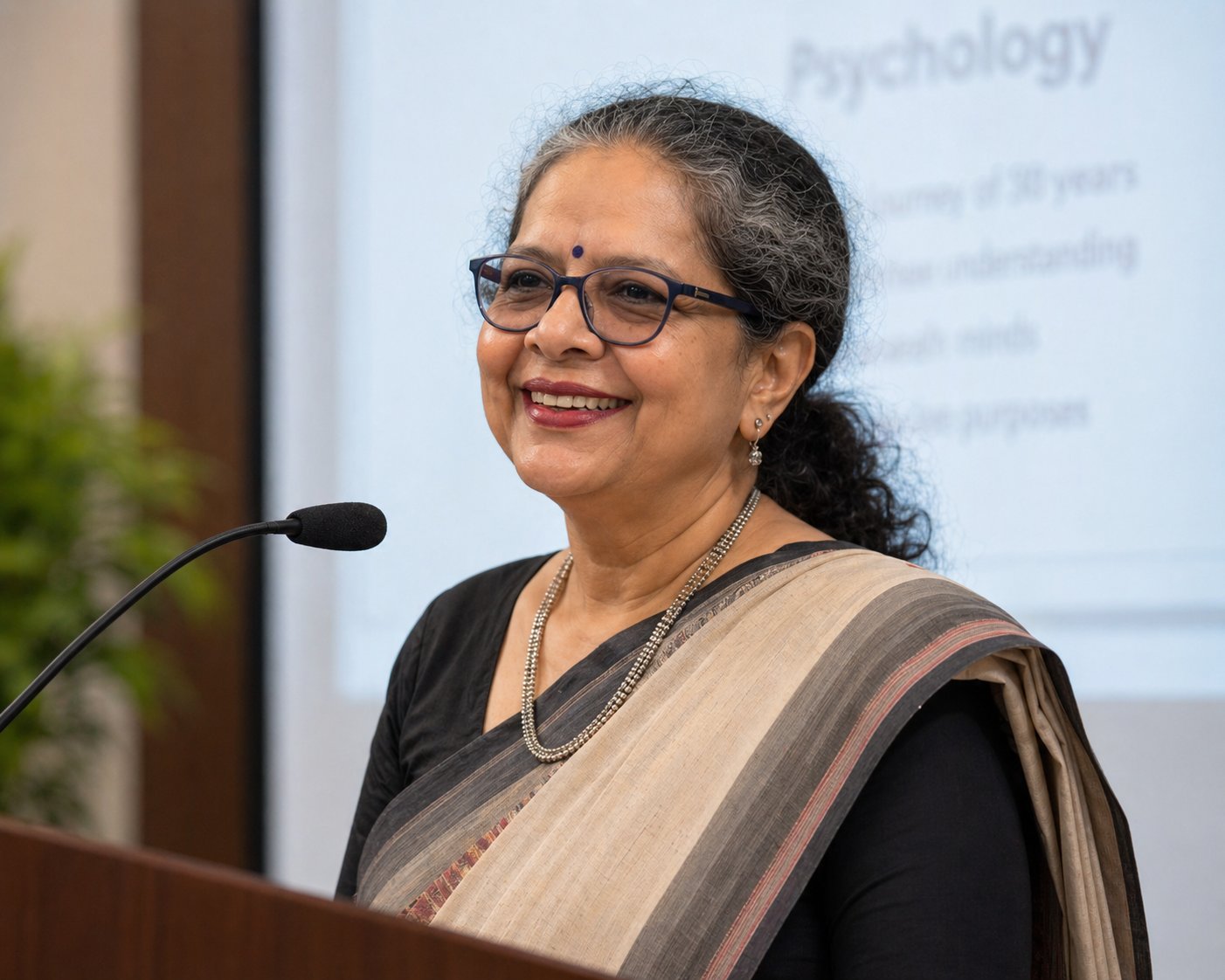
Anuradha Banerji Sarkar — sleep and insomnia specialist using hypnotherapy in South Delhi
Anuradha has treated insomnia in South Delhi for over 35 years using hypnotherapy and CBT

CBT for Insomnia — The Evidence-Based Complement

CBT for Insomnia (CBT-I) is the gold-standard psychological treatment for chronic insomnia and is recommended as the first-line treatment by sleep medicine guidelines worldwide. Unlike sleeping pills — which address the symptom but not the cause and produce dependency with chronic use — CBT-I addresses the behavioural and cognitive patterns maintaining the insomnia, producing lasting change without side effects.

The core components of CBT-I include: sleep restriction (initially counterintuitive but highly effective), stimulus control (rebuilding the bedroom's association with sleep rather than wakefulness), sleep hygiene education, cognitive restructuring of catastrophic beliefs about sleep, and relaxation training.

In Anuradha's practice, CBT-I is typically delivered in combination with hypnotherapy — using the CBT components to build the behavioural and cognitive scaffolding, and hypnotherapy to address the deeper arousal and subconscious patterns. This combination produces faster and more comprehensive results than either approach alone.

What to Expect in Treatment for Insomnia in South Delhi

The first session begins with a thorough assessment: how long the insomnia has been present, what it looks like in detail, what has been tried, what else is happening in your life that might be contributing. Anuradha will ask about your typical sleep schedule, your thoughts and feelings when you cannot sleep, your current stress levels, and any other psychological concerns that might be relevant.

From this assessment, a personalised treatment plan is developed. This will typically combine specific behavioural strategies to implement immediately (which often produce noticeable improvement within the first one to two weeks), with hypnotherapy sessions to address the deeper hyperarousal cycle, and CBT work to challenge the catastrophic beliefs about sleeplessness.

Between sessions, you will be given specific practices to implement — recordings to listen to at bedtime, sleep diary to complete, behavioural changes to make. This between-session work is important: sleep treatment is not passive.

How Many Sessions for Insomnia?

Most clients with chronic insomnia notice significant improvement within 3–5 sessions. A complete course that produces lasting, self-sustaining change typically runs 6–8 sessions. The improvements achieved through psychological treatment of insomnia are long-lasting — because the root causes have been addressed rather than suppressed.

This compares very favourably with sleeping medication, which provides temporary relief but does nothing for the underlying condition and produces dependency with prolonged use. Many of Anuradha's insomniac clients have also been able to reduce or eliminate their reliance on sleeping medication — always in consultation with their prescribing doctor.

Areas served in South Delhi and NCR:

Saket
Greater Kailash
Defence Colony
Malviya Nagar
Hauz Khas
Vasant Vihar
Green Park
South Extension
Safdarjung
Connaught Place
Noida
Gurgaon
Faridabad
📅 Book a Session with Anuradha
Reach out today — response within 24 hours.
South Delhi (in-person) · Online for NCR, India & International · ₹2,000 per session · Hindi, English & Bengali
WhatsApp to Book ✉️ Send Email
Frequently Asked Questions
Yes — clinical hypnotherapy is one of the most effective treatments for chronic insomnia. It works by addressing the hyperarousal cycle that maintains sleeplessness, breaking the anxiety-about-sleep loop, and rebuilding the automatic capacity to sleep. Most clients see significant improvement within 3–5 sessions. Anuradha combines hypnotherapy with CBT for Insomnia for the most comprehensive results.
CBT-I (CBT for Insomnia) uses specific techniques developed for sleep disorders: sleep restriction, stimulus control, and cognitive restructuring of sleep-related beliefs. It is the gold-standard psychological treatment for insomnia, recommended above sleeping pills by international sleep medicine guidelines. Anuradha delivers CBT-I integrated with hypnotherapy at her South Delhi practice.
Yes. All insomnia treatment sessions are available online via secure video call for clients across Delhi NCR — Gurgaon, Noida, Faridabad, Ghaziabad — and pan-India. Online sessions are equally effective.
Hypnotherapy and CBT can help address the underlying insomnia so that sleeping pills are no longer needed — but always in careful coordination with your prescribing doctor. Anuradha never advises clients to stop medication without medical supervision.
₹2,000 per 60-minute session at Anuradha's South Delhi practice. Online sessions are the same rate. A typical course of 6–8 sessions totals ₹12,000–16,000 — and produces lasting change without the side effects or dependency risk of sleeping medication.