Choosing Well Matters More Than Choosing Fast
If you are searching for a psychologist in South Delhi, you are probably doing so at a difficult moment. Perhaps anxiety has become unmanageable, a loss has left you unable to function the way you used to, or a long-standing pattern has finally become too costly to ignore. At such moments the instinct is to book the first available appointment. It is understandable, but a little care at the start makes a large difference to how helpful therapy turns out to be.
Research on psychotherapy has long suggested that the relationship between client and therapist is one of the most important factors in whether therapy works. A technically skilled professional with whom you feel unable to speak openly will help you less than an equally skilled one with whom you feel safe. This guide sets out what to look for, what to ask, and how to judge your own comfort, so that you can choose with confidence.
Check Qualifications and Experience
Start with the basics. A qualified psychologist will have a postgraduate degree in psychology from a recognised university, and a therapist offering specialised techniques such as hypnotherapy should hold a recognised certification in that field. Do not hesitate to ask about this directly. A confident professional will answer plainly.
Experience matters too, particularly for complex or long-standing difficulties. Anuradha Banerji Sarkar holds an MSc in Psychology from Kolkata University, is a certified clinical hypnotherapist, and has practised in South Delhi since 1989, which is more than thirty-five years of working with individuals, couples and families. That depth of experience means she has seen how the same underlying patterns present across very different lives, and it shapes how she listens.
Be cautious of anyone who guarantees results or promises a cure in a fixed number of sessions. Honest practitioners explain what is likely, what is uncertain, and what depends on your own engagement.
Understand the Approach Being Offered
Different therapies suit different people and different problems. It helps to know the main options so you can ask informed questions.
Counselling is conversation-based and supportive, a good fit when you need to talk things through and gain perspective. Cognitive Behavioural Therapy is structured and skills-based, and works well for anxiety, low mood and unhelpful thinking habits. Clinical hypnotherapy addresses subconscious patterns and is often used for stress, sleep problems, phobias and habits such as smoking. Past life regression is an exploratory technique for patterns that seem to have no source in present-day experience.
A good practitioner will not push one method on you regardless of your needs. At Anuradha's practice, the first session is used to understand your situation before recommending an approach, and the recommendation can change as the work unfolds. If a therapist seems committed to a single method for every client, that is worth noticing.
Language, Culture and Comfort
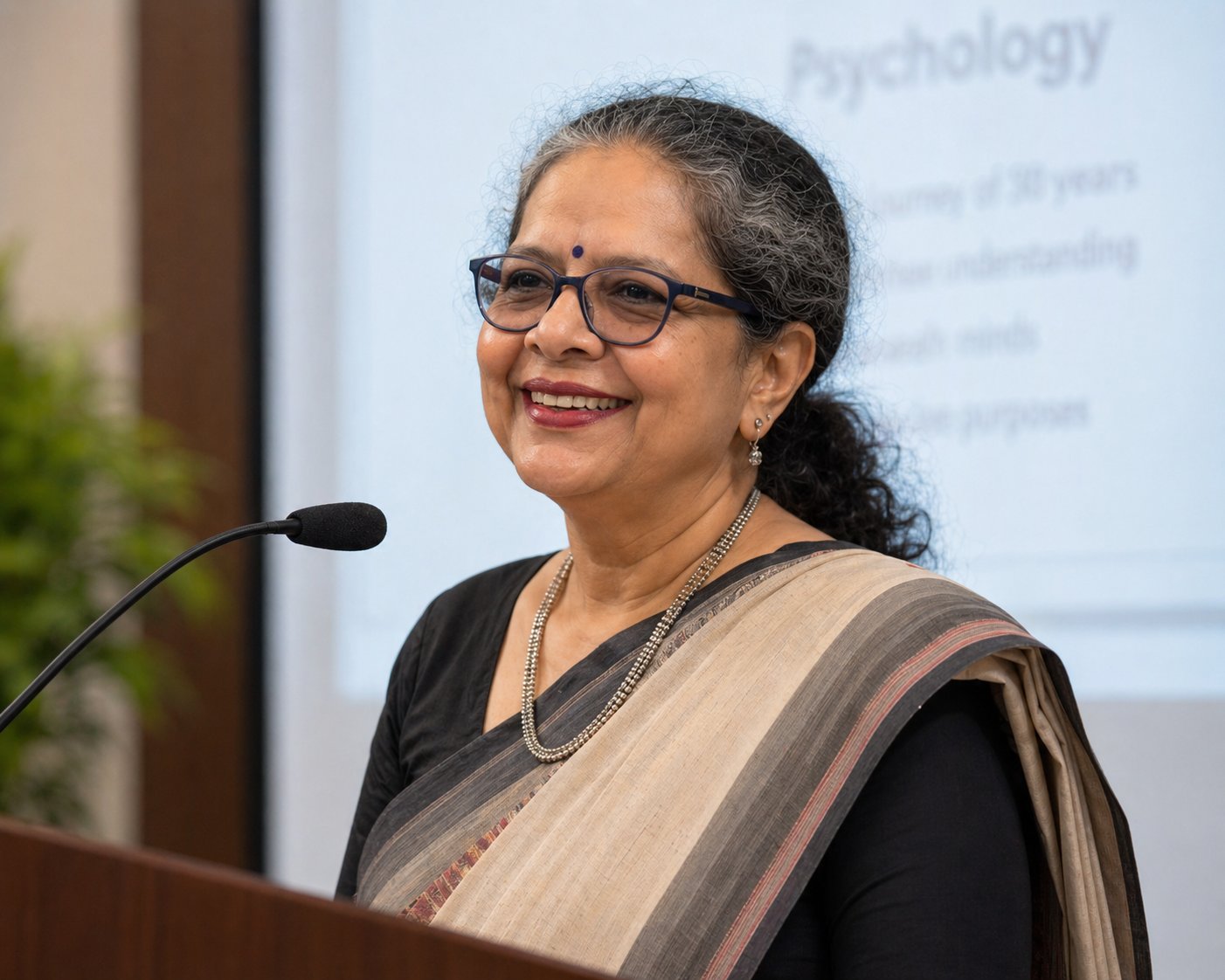
Therapy depends on your ability to describe your inner world accurately. For many people in Delhi, that is easier in Hindi or Bengali than in English, and a therapist who can work in your first language removes a layer of translation that can otherwise blur what you mean. Sessions with Anuradha are available in English, Hindi and Bengali.
Cultural understanding also matters. Family expectations, community reputation, marriage, joint-family living and career pressure shape the problems people bring to therapy in this city. A therapist who understands that context does not need these things explained and is less likely to offer advice that ignores the realities of your life.
Finally, pay attention to how you feel in the room, or on the screen. Do you feel listened to rather than hurried? Can you disagree without feeling judged? It is perfectly acceptable to take a session or two to decide whether the fit is right.
Practical Questions to Ask Before You Book
A short list of questions can save you time and uncertainty. Ask how long each session lasts and how often you would be expected to attend. Ask whether online sessions are offered, which can be important if your schedule is demanding or you live elsewhere in Delhi NCR. Ask about confidentiality and how your information is handled. Ask what the fee is and whether there are any additional charges.
At Anuradha's practice, sessions run 60 minutes, with past life regression sometimes taking a little longer. The fee is Rs.2,000 per 60-minute session for clients in India, and US$40 per hour for international clients, with no hidden costs. The clinic is open Monday to Saturday, 10 AM to 7 PM, and Sunday by appointment. In-person sessions are held in South Delhi, and online sessions are available for clients across India and internationally.
Taking the First Step
You do not need to have everything figured out before you reach out. You do not need a diagnosis, a clear goal or a neat explanation of what is wrong. It is enough to say that something is not right and that you would like help. A good first session is a conversation, not an examination.
Use the WhatsApp or email buttons on this page to get in touch. Anuradha or her team reply within 24 hours, and you are welcome to ask questions before booking. If you are unsure whether therapy is what you need, say so; an honest answer is part of the service.