Inner peace is one of the most sought-after and least precisely understood of all psychological goals. In South Delhi's wellness culture — dense with retreats, apps, and practitioners offering it — the phrase has accumulated so many meanings that it has begun to obscure more than it illuminates. This article restores precision: what genuine inner peace actually is, why Delhi makes it specifically difficult, and what the psychological path genuinely requires.
What Inner Peace Is Not
The dominant image of inner peace in Delhi's wellness market is aspirational: a serene figure inhabiting unshakeable pleasant calm regardless of external circumstances. This is not inner peace. It is either rare spiritual attainment or a carefully maintained performance of serenity that costs more to sustain than the ordinary emotional reality it conceals. Genuine inner peace is not the absence of difficulty or the suppression of difficult emotion. It is a quality of relationship with one's full inner experience — including what is most painful — characterised by awareness without compulsive reactivity.
Why Delhi Makes It Hard
Delhi places its inhabitants under a specific and well-documented range of environmental and cultural stressors. The physical stressors — noise, air quality, traffic — are real physiological inputs that maintain the nervous system at elevated activation. The social stressors — the omnipresent comparative evaluation of professional standing, body, lifestyle, and the management of one's children's academic performance — are equally real but less often named as such. And most fundamentally: Delhi's cultural orientation toward achievement and becoming is structurally incompatible with the present-moment settledness that genuine peace requires.
The Psychological Path
At the surface level: building practical skills for managing difficult emotional states — CBT and mindfulness approaches. At the deeper level: confronting and changing the specific beliefs that make peace feel impossible or undeserved. "I am only worthy when I am producing." "Rest is laziness." "Peace is something earned after sufficient achievement." These beliefs — formed in childhood, maintained below conscious awareness — are what make genuine rest feel psychologically dangerous. They do not yield to conscious intention. They respond to hypnotherapy, which accesses the subconscious level where they are actually maintained.
Peace and Performance — The Research
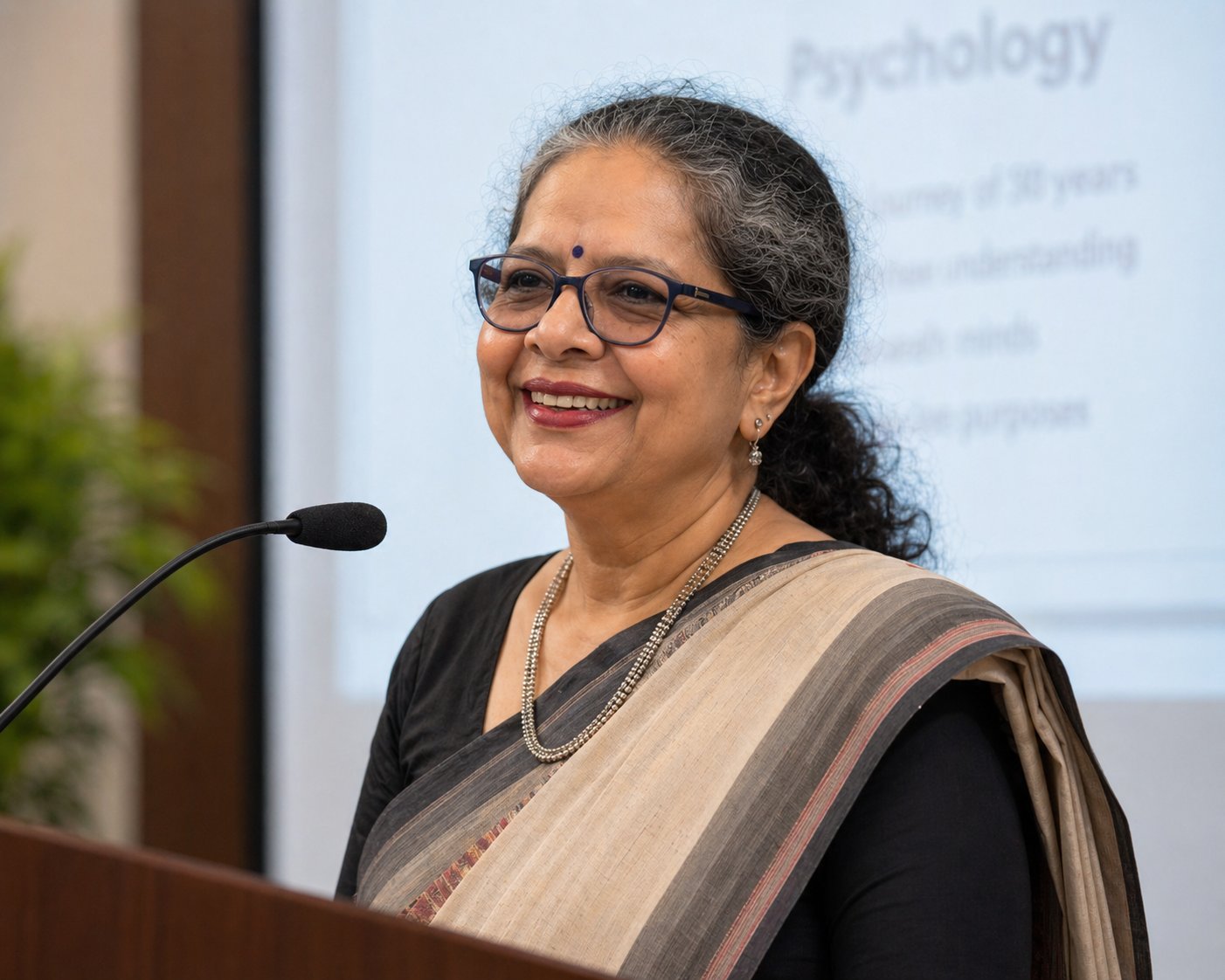
Delhi's professional culture associates chronic activation with effectiveness. The research does not support this association. Sustained psychological stress degrades the cognitive capacities most critical to professional performance: decision quality, creative problem-solving, emotional regulation in leadership contexts. The most sustainably effective people Anuradha Banerji Sarkar works with are not the most chronically activated — they are those who have developed the capacity to engage fully and recover genuinely. Inner peace does not eliminate drive. It transforms it from the compulsive, fear-driven variety that burns out into the grounded variety that sustains.
Beginning the Work
Genuine inner peace requires honest confrontation with what is preventing it — not just observation, but specific therapeutic work to change the beliefs and patterns at their root. Anuradha Banerji Sarkar's South Delhi practice provides the skilled, compassionate, culturally informed support this work requires. Rs.2,000 per 60-minute session for clients in India (US$40 per hour for international clients). In-person and online. English, Hindi, and Bengali. Use the contact buttons on this page. Response within 24 hours.